AdvertisementUS-Asean relationsThis Week in AsiaPoliticsWhy Southeast Asia is wary of Trump’s ‘pay-to-play’ global peace board
Nations are likely to try to avoid early commitment while steering clear of outright rejection to minimise US retaliation, analysts say
Reading Time:4 minutesWhy you can trust SCMP
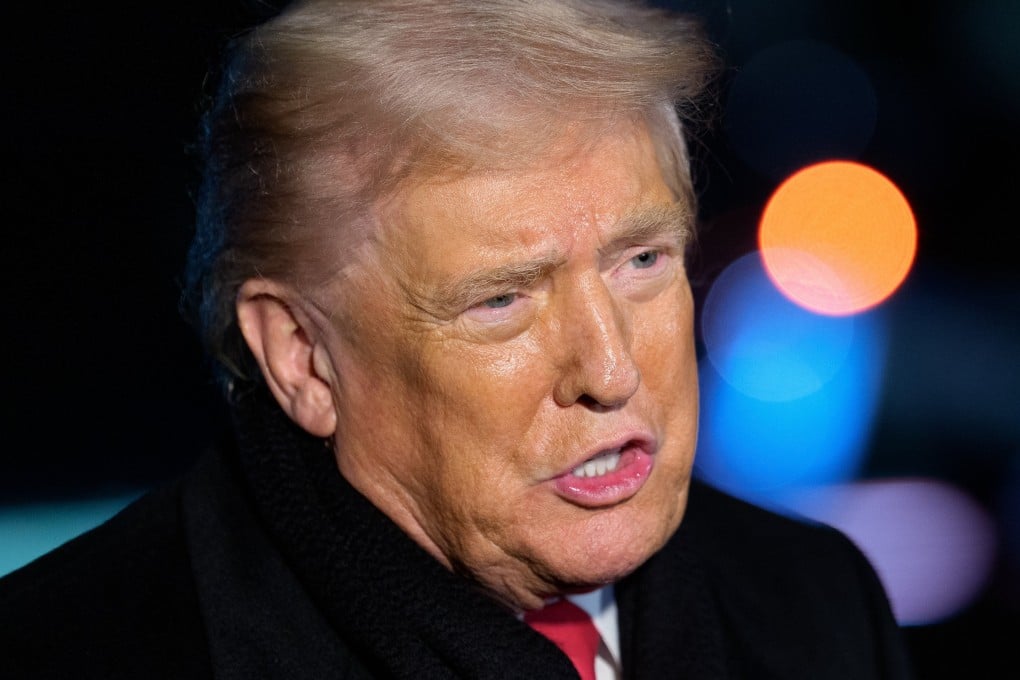
Kolette LimandAidan JonesSoutheast Asian countries invited to join Donald Trump’s proposed “Board of Peace” should think carefully before entering what looks like a “more exclusive version” of the United Nations Security Council with the US president in ultimate control, analysts caution.Singapore, Thailand, Indonesia and Vietnam are among about 60 countries that have reportedly received invitations, alongside South Korea and India.
The initiative, presented by Trump as a new international body to promote global stability, was initially authorised by the United Nations Security Council to help oversee the Gaza peace plan and post-war reconstruction. But draft charter language reported by international media, and Trump’s suggestion that the body could later address other conflicts, point to ambitions beyond Gaza.
Advertisement
Ngoei Wen-Qing, an associate professor of history at the Singapore Management University, said the initiative was another of Trump’s attempts to recentre global politics around the US. “There have been suggestions that the world is increasingly multipolar, and the Trump administration has been trying to reverse that in dramatic ways.”
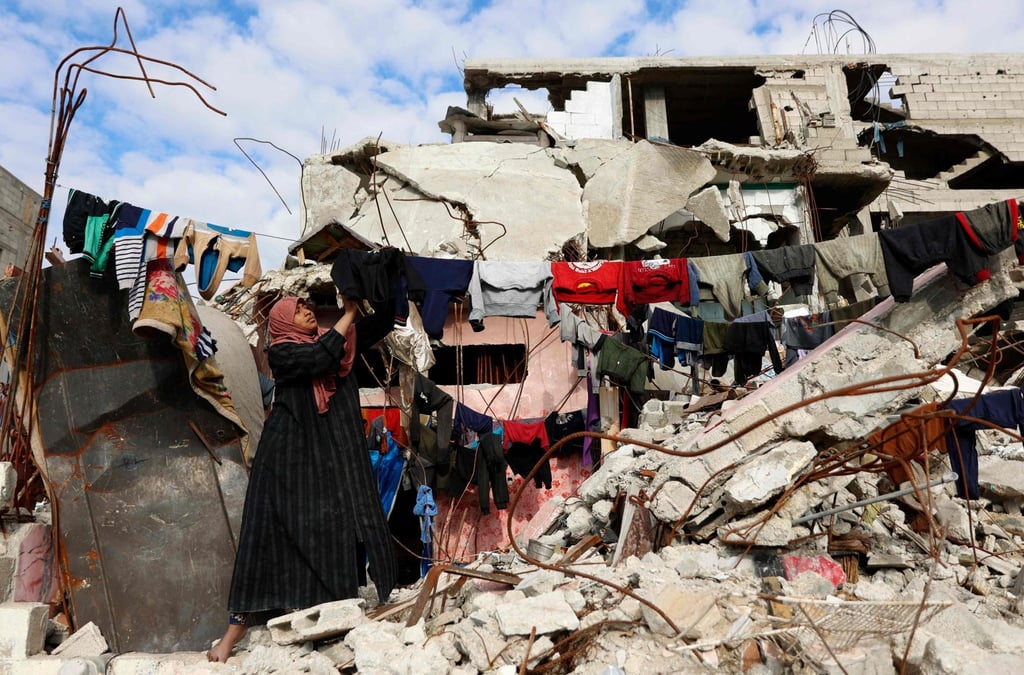
It was Trump’s “more exclusive version” of the UN Security Council, where he would hold almost uncontested veto power as the chair, said Kevin Chen, an associate research fellow at the S. Rajaratnam School of International Studies.
AdvertisementTrump had long shown his scepticism of the UN, having withdrawn funding from the organisation, and this proposal was consistent with his views, said Chong Ja Ian, an associate professor of political science at the National University of Singapore.AdvertisementSelect VoiceChoose your listening speedGet through articles 2x faster1.25×250 WPMSlowAverageFast1.25x