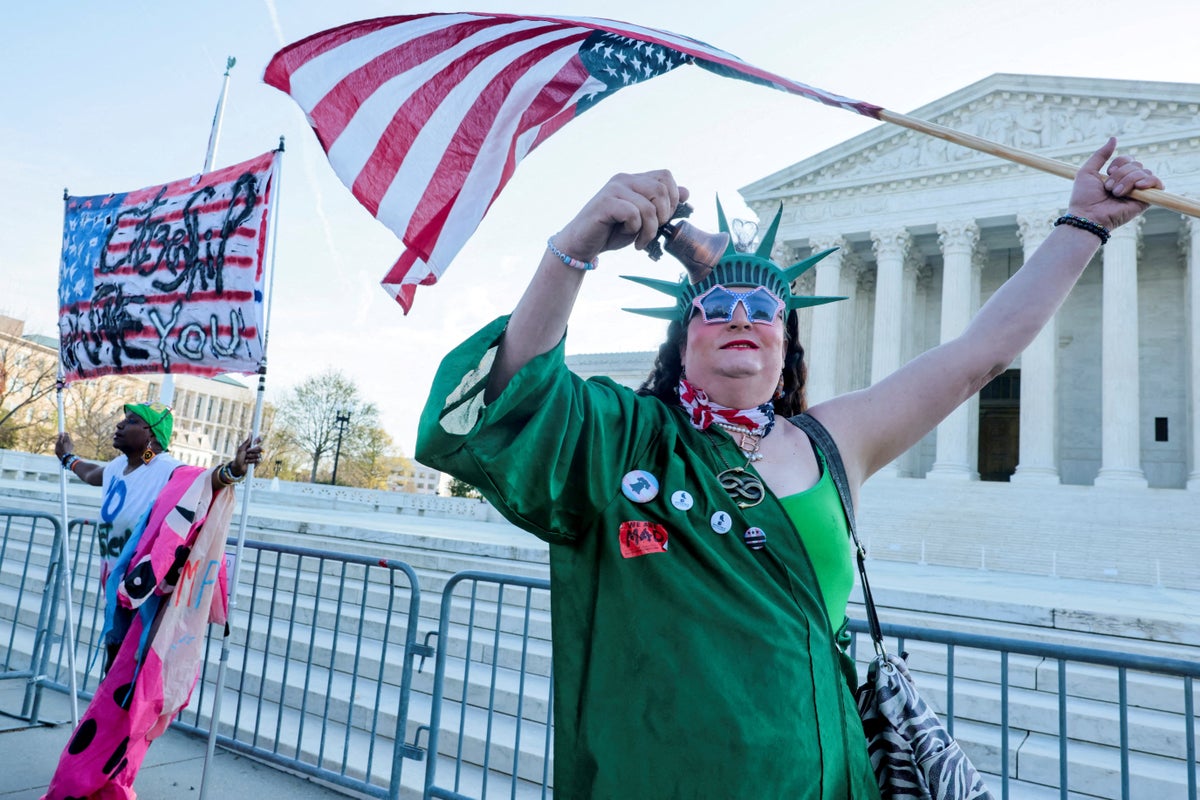
President Donald Trump is set to make an unprecedented visit to the Supreme Court today to hear oral arguments on his fight to end birthright citizenship.
No sitting president has attended Supreme Court arguments in the nation’s history.
Proceedings are set to begin at 10 a.m.
"I'm going,” Trump told reporters in the Oval Office earlier this week. "I think so. I do believe. Because I've listened to this argument for so long."
Trump had flirted with attending oral arguments in other cases, but opted against it. Now, his attendance has raised questions about the separation of powers with critics blasting the move.
When he returned to office, Trump signed an executive order to deny automatic citizenship to babies born in the U.S., unless they have at least one parent who is a citizen or permanent resident. That order was almost instantly challenged by groups, who argued it violated the 14th Amendment.
That amendment has been interpreted to give citizenship to nearly every person born in the U.S.
The Supreme Court is set to hear arguments and typically takes months to issue rulings.
How many babies are born with parents without legal status?
In 2023, about 300,000 babies were born in the U.S. to parents without legal status, according to NPR.
Those babies had been granted citizenship in the past – but Donald Trump is looking to change that.
If his executive order stands, those babies would not be granted automatic citizenship.
What is birthright citizenship?
Birthright citizenship is when babies born in the U.S. are automatically granted citizenship.
The 14th Amendment has long been interpreted to give citizenship to any person born – regardless of whether their parents are citizens- inside the U.S. or one of its territories.
The 14th Amendment reads:
All persons born or naturalized in the United States, and subject to the jurisdiction thereof, are citizens of the United States and of the State wherein they reside. No State shall make or enforce any law which shall abridge the privileges or immunities of citizens of the United States; nor shall any State deprive any person of life, liberty, or property, without due process of law; nor deny to any person within its jurisdiction the equal protection of the laws.
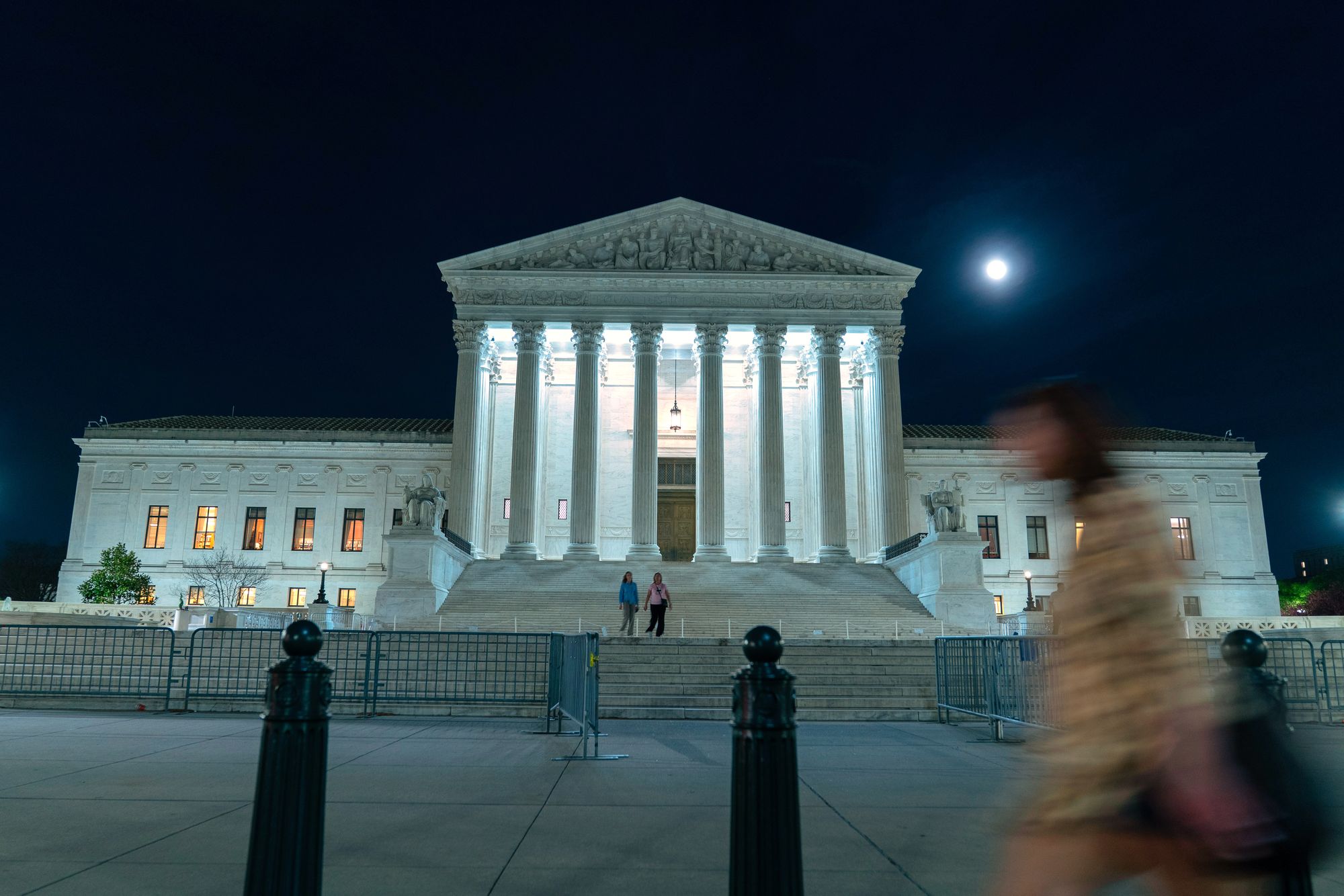
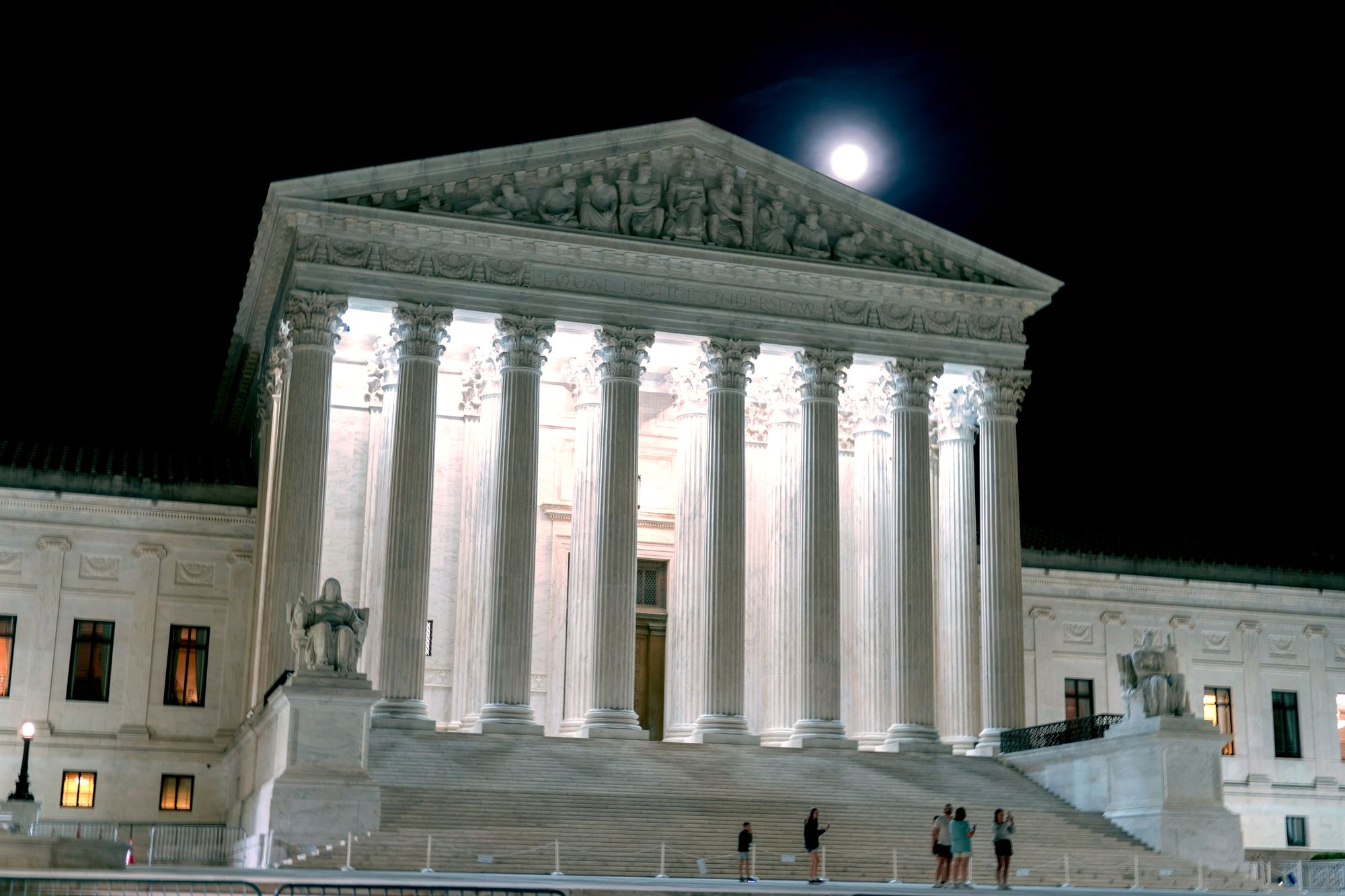
Quiet night at the Supreme Court
Images show a quiet night at the Supreme Court, before a historic day when Donald Trump becomes the first president to attend arguments
No president has ever attended Supreme Court arguments
No U.S. President has ever attended Supreme Court oral arguments – but Donald Trump is not one for tradition.
On Wednesday, Trump is set to visit the Supreme Court and break a tradition that has been around since 1790.
Trump announced plans to attend and hear arguments on whether his move to end birthright citizenship is Constitutional.
"The case is about the powers of the presidency as an institution," Richard Pildes, a professor of constitutional law at New York University, told NBC News. "By showing up in person, the President would instead be personalizing the case, as if it’s a personal confrontation between him and the justices."
Alex Lang1 April 2026 11:52