

Israel bombing Lebanon jeopardises the peace deal with Iran – and all our futures are at stake
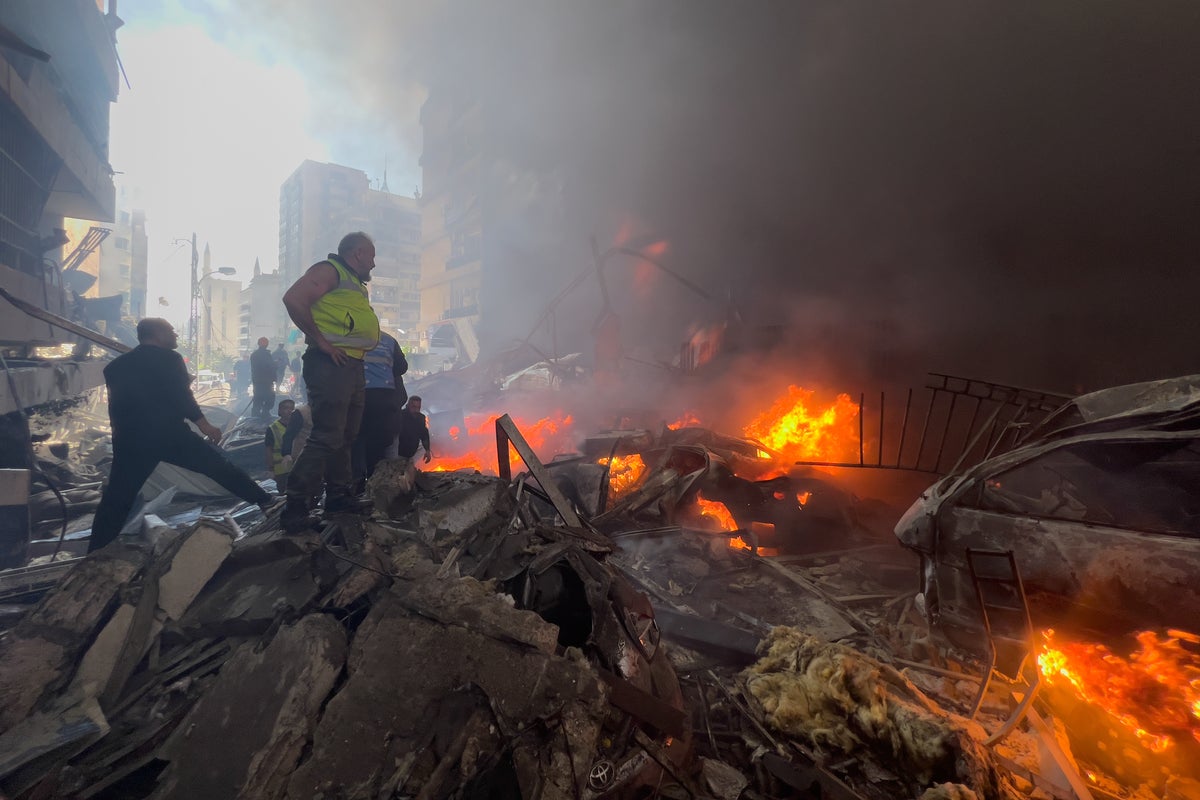
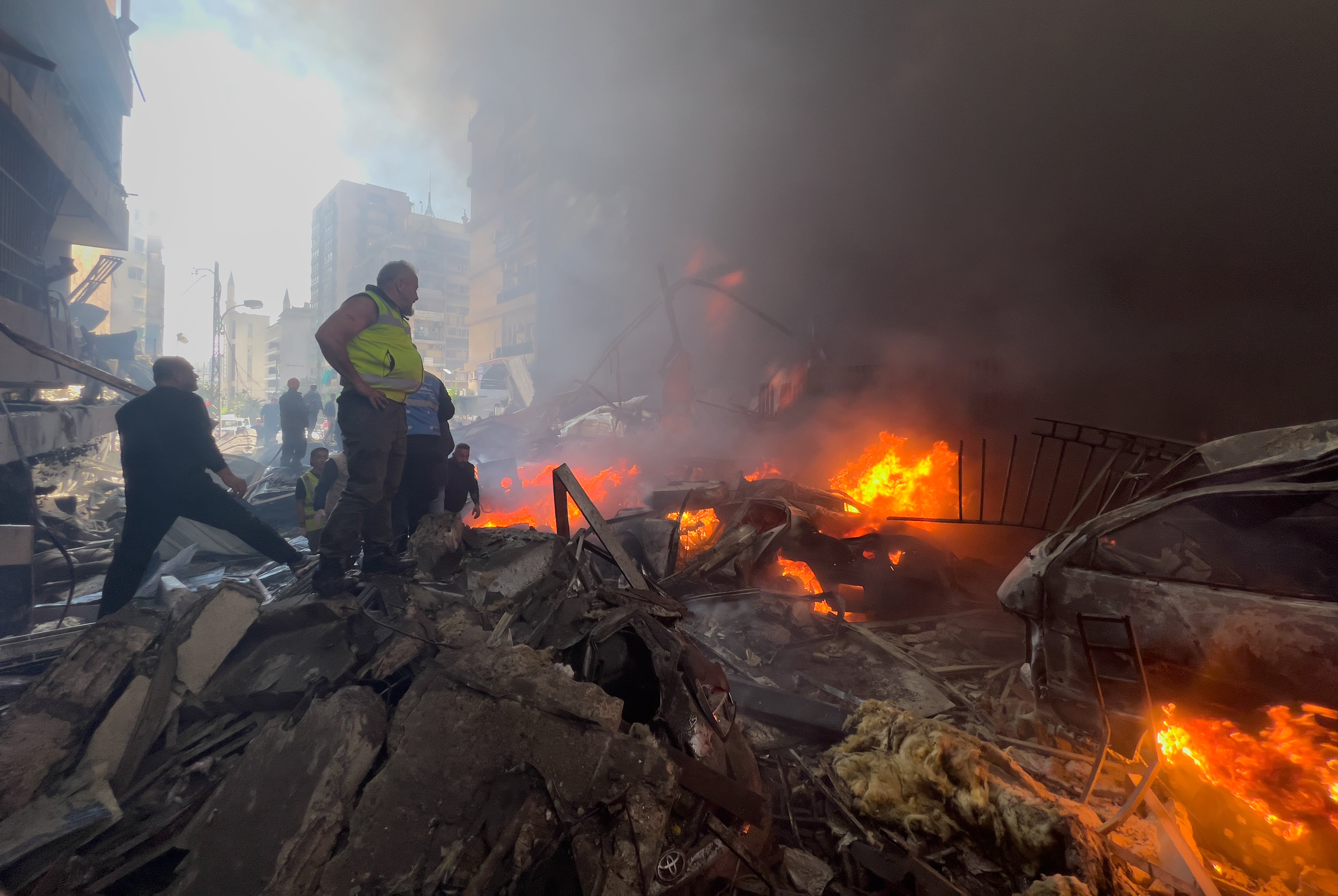
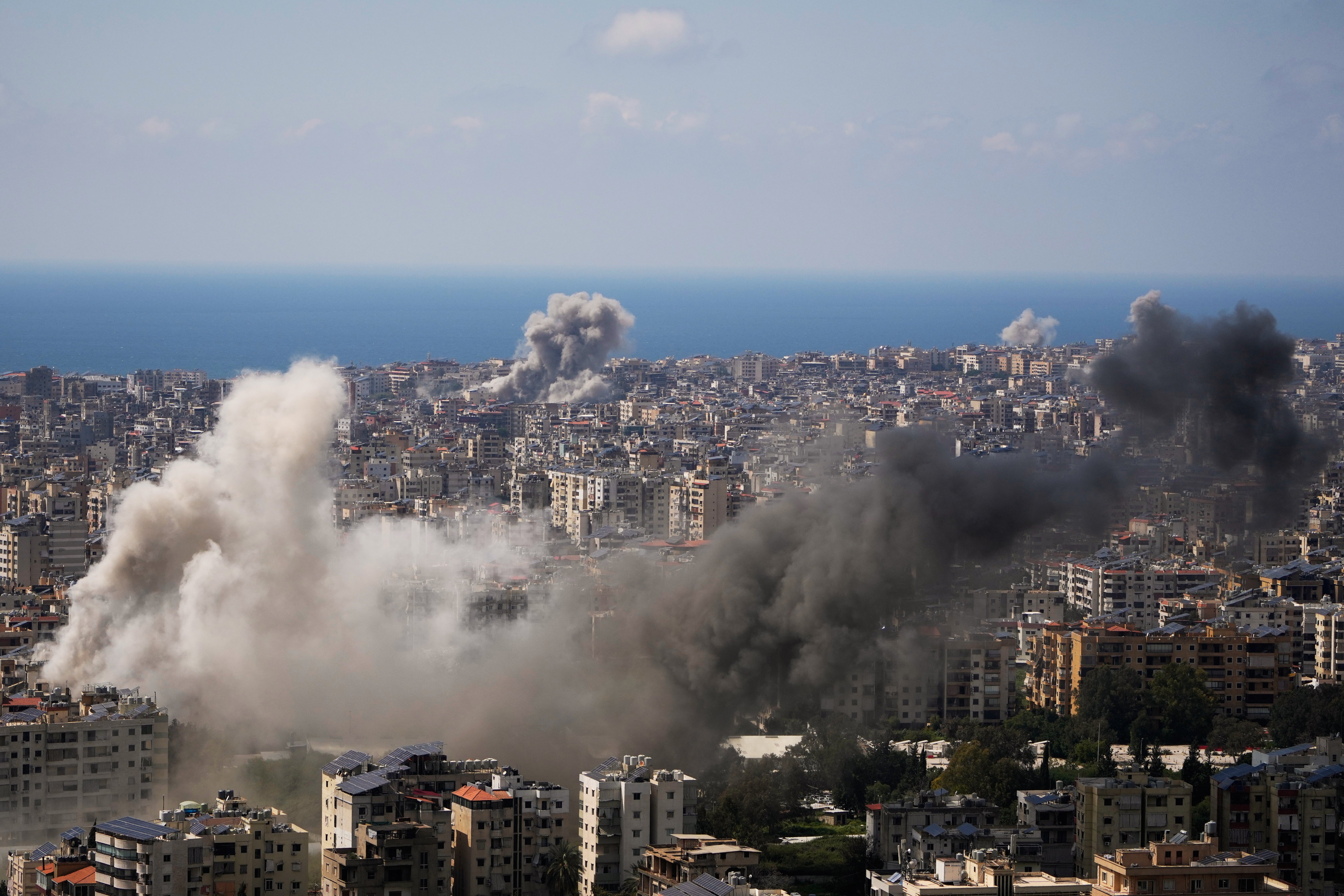
Israel bombed Lebanon so intensely on Wednesday that witnesses, and the wounded, told The Independent it felt like they had unleashed a “ring of fire” on the capital, Beirut, and an “earthquake” across the rest of the country.
Over 100 targets were hit in just 10 minutes, according to Israel’s count. More than 250 people were killed and over 1,000 injured, according to the Lebanese Civil Defence. They are still digging bodies out of the rubble.
This “absolute massacre”, as it was described by a renowned British conflict surgeon in a Beirut emergency room, does not just impact Lebanon.
It is already jeopardising the future of a long-awaited and deeply fragile truce between the US, Israel and Iran. A truce which hangs in the balance.
This deal, this resolution to a global nightmare, is desperately needed for the civilians chewed up in the violence – and for us all.
It is not just about the worst disruption to global energy supplies in history, shuttered airports bringing movement around the world to a near halt, and the related soaring cost of living, it is about our very security and future.
 open image in gallery
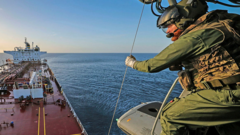
This conflict has engulfed major global chokepoints, like the transport hubs of Emirati and Qatari airports, and the Strait of Hormuz, through which 20 per cent of the world’s oil and liquefied natural gas pass.
The theatre of war has already stretched across at least 13 countries, and so the potential for a conflict this complex to metastasise is extremely high.
I regularly check in with Gulf diplomats. They have been increasingly worried that their nations, coming under retaliatory fire from Iran over Israeli and US bombings, will be forcibly dragged into it. In blunt terms, they have warned it could see them bomb Iran back.
More and more nations exchanging fire means an uncertain and bleak future that none of us can predict.
So it was no wonder the world breathed a sigh of relief when the truce, brokered by Pakistan, was announced. But the hard work has only just begun.
The likelihood of thrashing out any semblance of a deal from this pause already seems near impossible.
 open image in gallery
There are yawning, nay existential, chasms between the demands and red lines of both sides, including, though not exhaustively: who gets control of the Strait of Hormuz; the future of Iran’s nuclear programme; and Tehran’s ballistic missile capabilities.
At the same time, the temperature was pushed to apocalyptic levels by Donald Trump’s rhetoric when he declared he would wipe out “a whole civilization” in Iran shortly before the pause was announced.
With this much at stake for the planet, it would seem logical to remove any external pressures that could further complicate matters.
Israel continuing its war with Iran’s ally, the Lebanese militant group Hezbollah, through its bombing of Lebanon – which obviously is not all Hezbollah– has become a major external pressure.
According to Pakistan, Iran and Hezbollah, Lebanon was supposed to be included in the cessation of hostilities. Shortly afterwards, the Israeli prime minister declared that it was not.
The Israeli military then unleashed what it described as its heaviest strikes yet on Lebanon, and on Thursday said it is continuing to bomb the country, including taking out the nephew of Hezbollah’s chief.
 open image in gallery
Iran has already responded to these attacks by closing the Strait of Hormuz and declaring it will not engage in talks if Israel’s offensive on Lebanon continues.
That is before either side has even seen a negotiating table, let alone sat at it.
Sources I speak to who are briefed on Israel’s position are clear that Israeli prime minister Benjamin Netanyahu has no interest in ending the offensive on Hezbollah or Lebanon, a richly diverse sovereign nation where many are opposed to the militant group.
Israel cannot run two major battlegrounds simultaneously, so “now is the time to focus on Hezbollah”, the source continued.
A large part of the Israeli public are apparently disappointed with the Iran ceasefire and, particularly regarding Lebanon, “want the job done”. In their terms, that means when they feel Hezbollah is truly demilitarised and destroyed, the source continued.
Israeli officials have repeatedly said the one of the main ways to do that is through a “buffer zone” inside Lebanese sovereign territory.
Defence minister Israel Katz has threatened to effectively occupy land in the south going right up to Lebanon’s Litani River, a geographical area making up around 10 per cent of the country. That’s an area equivalent to the whole of Wales.
That, experts have told me, is not so much a buffer zone as an extension of Israel’s landmass. If Israel pursues this – at what cost?
What cost for the Lebanese civilians cowering under this bombardment or forced from their homes? What cost for the future of the negotiations which are flailing before they have even started? For the wider region dragged into this nightmare?
With this much at stake, at what cost for the world?