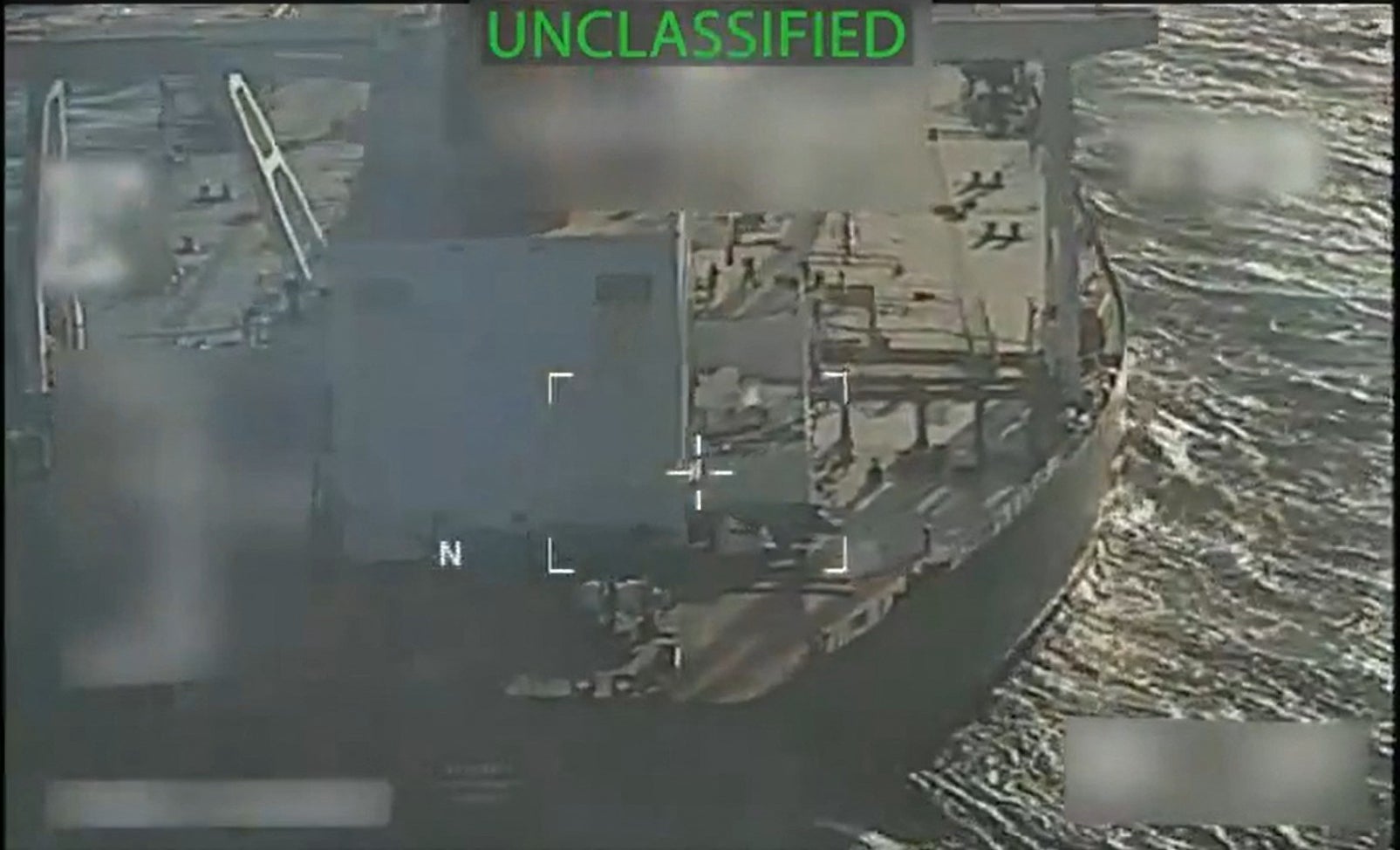
U.S. forces have seized an oil tanker off the coast of Venezuela, marking the latest escalation in President Donald Trump’s targeting of the South American nation.
“We've just seized a tanker on the coast of Venezuela,” Trump told reporters on Wednesday. “Largest one ever seized actually. And other things are happening."
The president didn’t supply additional information, but said that the vessel was interdicted for “a very good reason.” When asked what would happen to the ship, he said, "We keep it, I guess.”
Caracas responded to the seizure on Wednesday evening, calling it an “international act of piracy.”
“Under these circumstances, the true reasons for the prolonged aggression against Venezuela have finally been revealed… It has always been about our natural resources, our oil, our energy, the resources that belong exclusively to the Venezuelan people,” the Venezuelan government said in a statement.
 open image in gallery
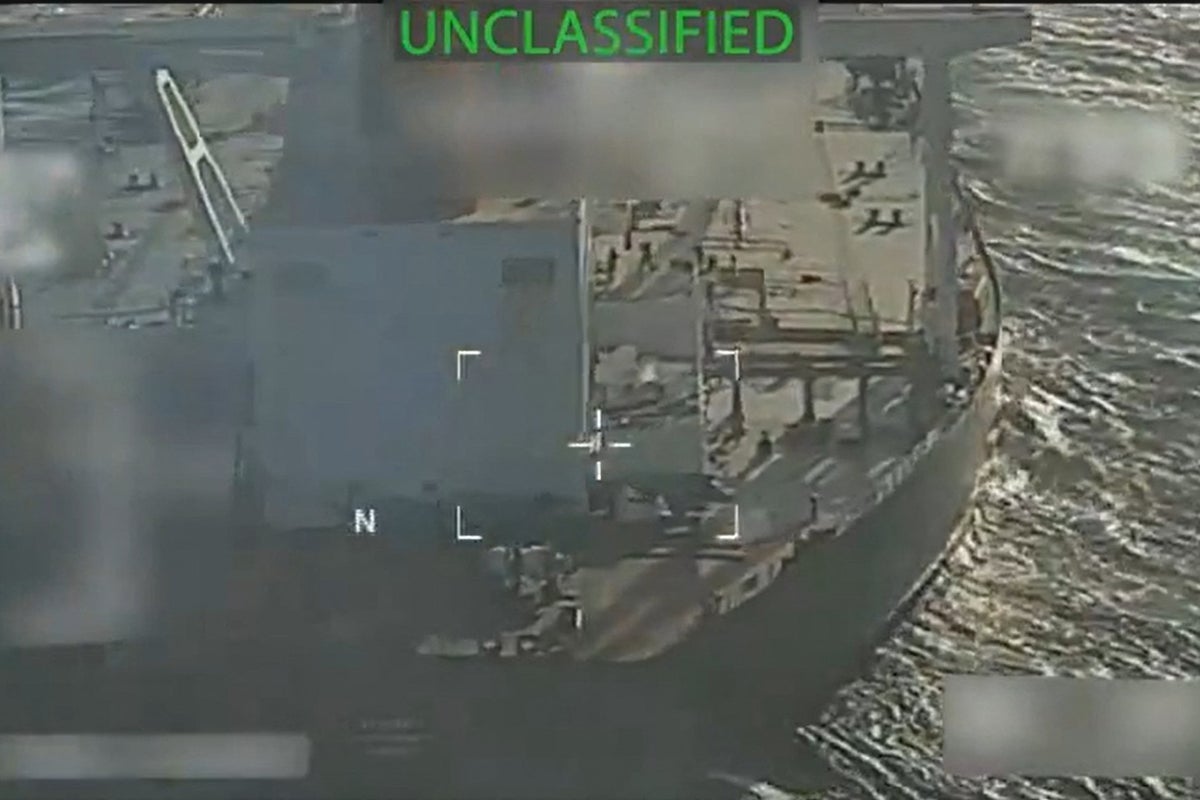
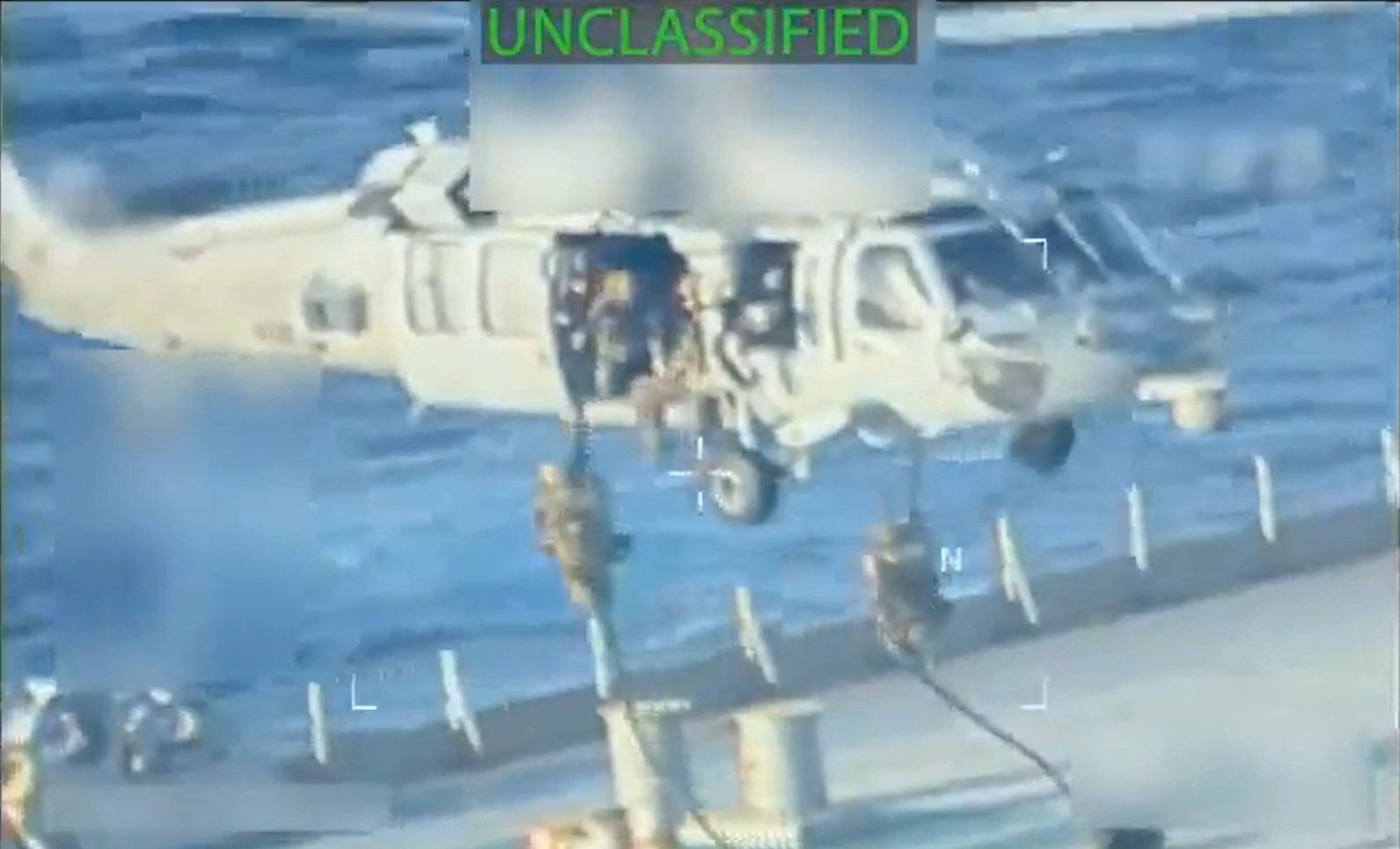
Attorney General Pam Bondi posted a video of the seizure on X on Wednesday evening, calling the ship a “crude oil tanker used to transport sanctioned oil from Venezuela and Iran.”
“For multiple years, the oil tanker has been sanctioned by the United States due to its involvement in an illicit oil shipping network supporting foreign terrorist organizations.,” Bondi wrote.
“This seizure, completed off the coast of Venezuela, was conducted safely and securely—and our investigation alongside the Department of Homeland Security to prevent the transport of sanctioned oil continues.”
 open image in gallery
Two unnamed officials told Reuters that the operation was conducted by the U.S. Coast Guard. They didn’t provide the name of the vessel or where exactly the operation took place.
The intercepted tanker had been sanctioned by the U.S. government, sources familiar with the matter told Bloomberg News. The seizure could make it more difficult for the oil-rich nation to conduct trade, as shippers may be wary of handling its cargo. The majority of Venezuelan oil is sent to China.
After the maneuver was revealed, oil prices rose, according to CNBC. Brent crude futures ticked up 27 cents, while U.S. West Texas Intermediate crude futures increased 21 cents.
 open image in gallery
Spokespeople for the White House and the Pentagon did not immediately respond to requests for comment from The Independent.
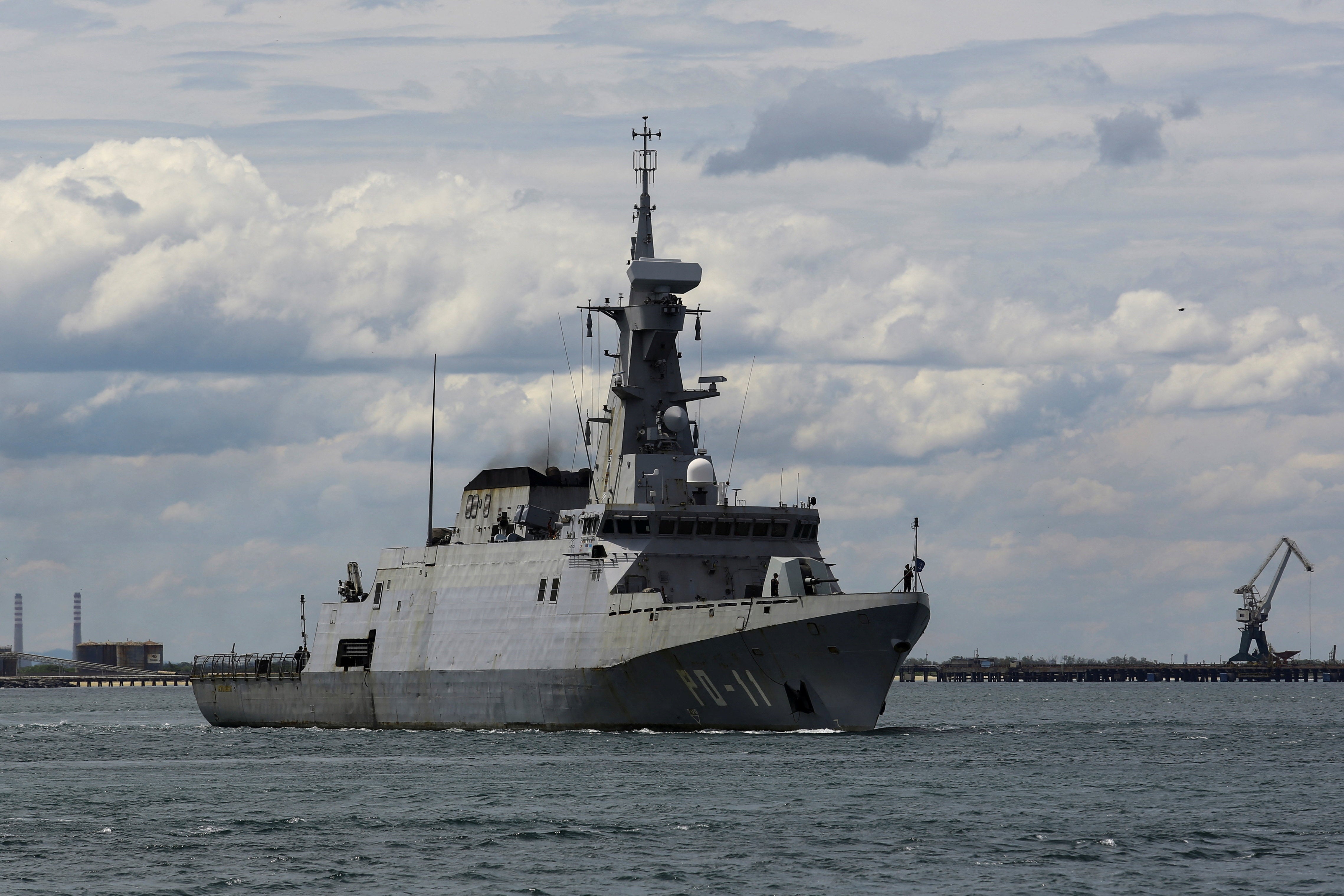
The naval operation comes as the Trump administration is ramping up pressure on Venezuelan President Nicolas Maduro, whom it accuses of facilitating illegal drug trafficking.
Since September, the Pentagon has launched around two dozen strikes on alleged drug boats in the Caribbean, killing at least 87 people. At the same time, the U.S. has amassed a fleet of warships near Venezuela, marking the largest naval buildup in the region in decades. And, in October, the Republican president authorized the CIA to undertake covert action inside Venezuela.
“I think you’re going to find that this is war,” Trump said last week. “And very soon we’re going to start doing it on land too,” referring to the naval strikes.
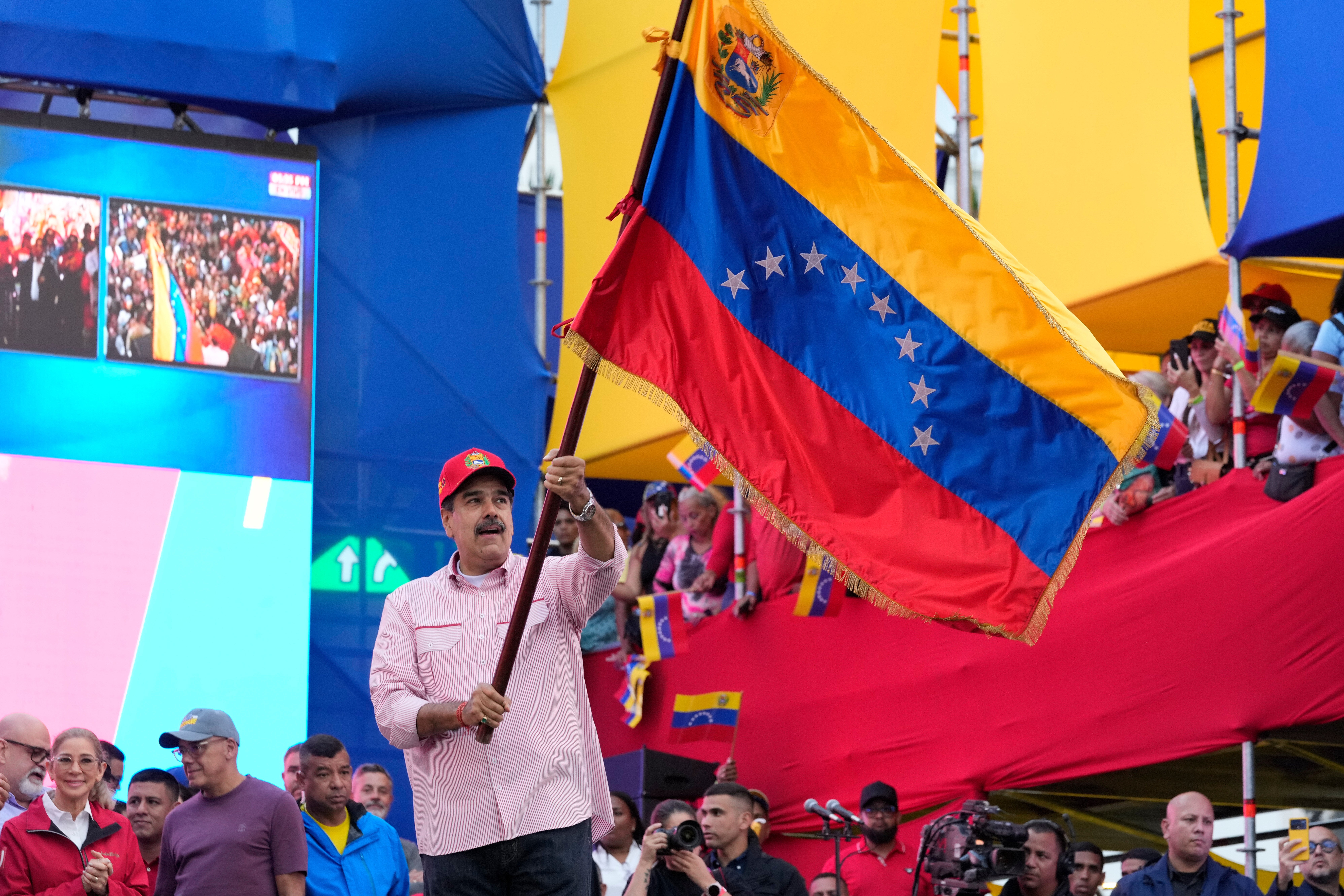
Maduro has denied that his country is involved in the illegal drug trade and has accused the Trump administration of “fabricating a new eternal war." He’s also said the real motivation behind Trump’s actions is to force him out of office and take control of Venezuela’s vast oil reserves. In response, he’s called on the nation’s citizens to unite against American aggression and deployed troops, aircraft and ships to the coast.
 open image in gallery
The administration’s actions in the region have prompted a wave of criticism from Democratic lawmakers.
Virginia Senator Tim Kaine described the Pentagon’s strikes in the Caribbean as illegal and warned that they risk dragging a conflict-weary nation in yet another foreign war. “The American people have no interest in stumbling into an illegal new war that would place the lives of our servicemembers at risk,” he said in late November.
A handful of Republicans, too, have expressed opposition. Last week, Kentucky Senator Rand Paul called on Defense Secretary Pete Hegseth — who has faced heightened scrutiny over a September 2 attack— to testify under oath about the boat strikes.
“I think that Congress, if they had any kind of gumption at all, would not be allowing this administration to summarily execute people that are suspected of a crime,” he told The Independent.
Many Republicans, though, have stood in lockstep with the administration. In November, Oklahoma Senator Markwayne Mullin said Trump is “protecting the United States by being very proactive.”
Public opinion on Trump’s military maneuvers is mixed. Most Americans, 53 percent, approve of using military force to attack vessels suspected of trafficking drugs into the U.S., according to a November CBS News survey. At the same time, 70 percent said they would oppose taking military action in Venezuela.