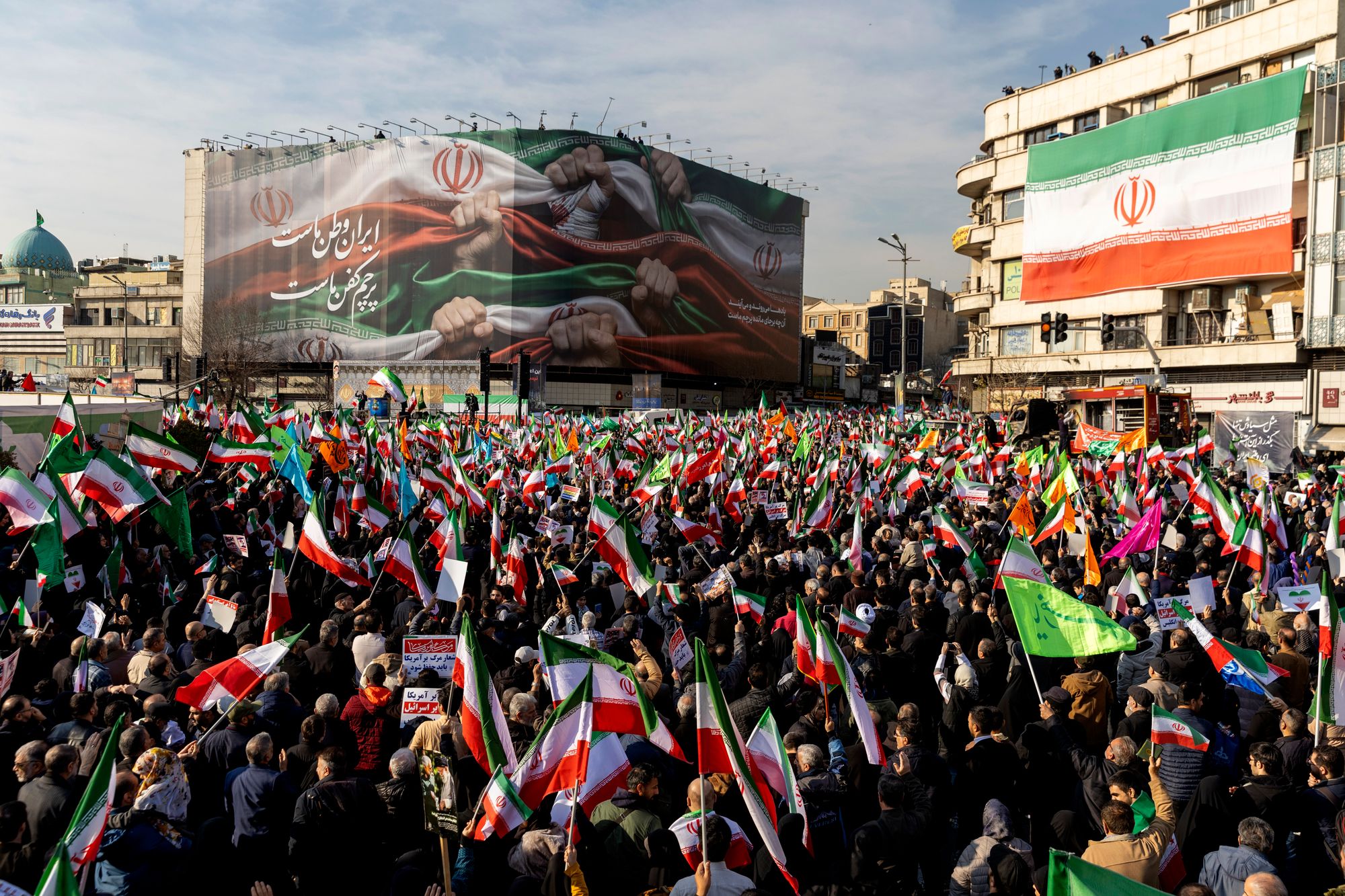
Iran’s regime will likely remain in power, US intelligence has said, despite over two weeks of US-Israeli attacks on the country.
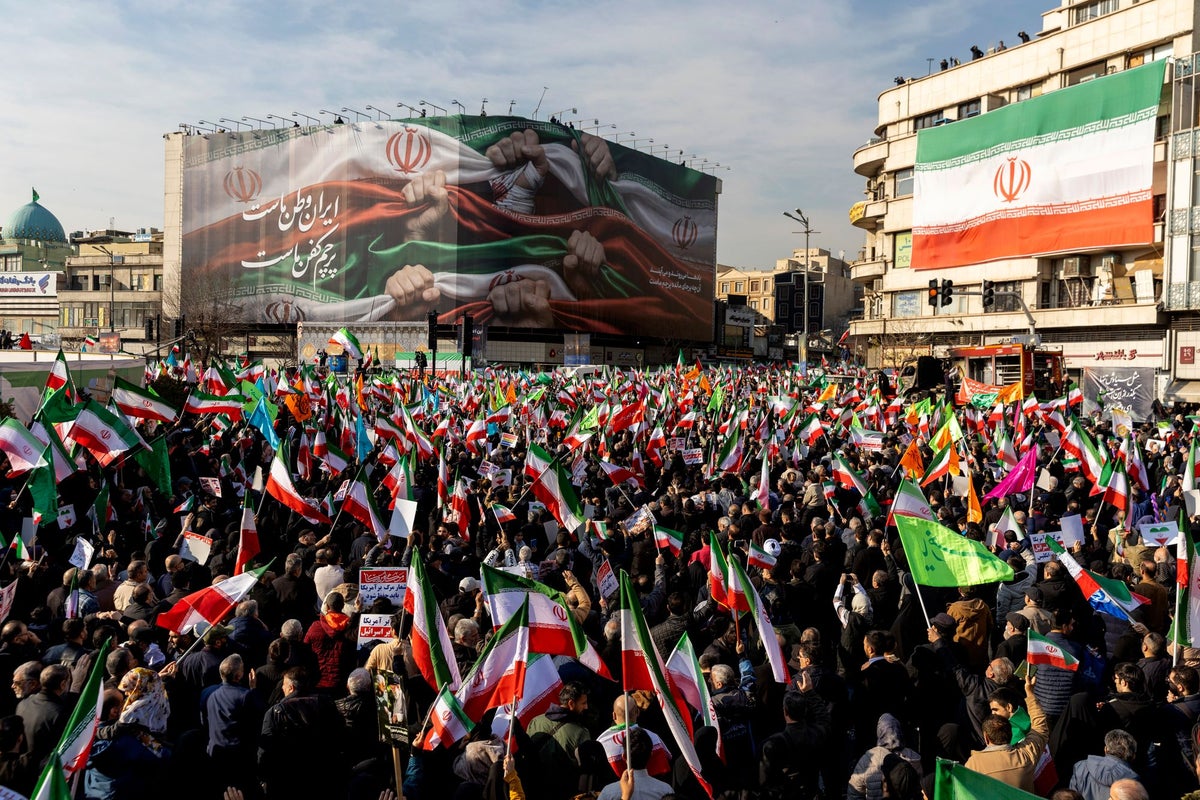
While dozens of top Iranian military and intelligence leaders have been killed in the war, including the Supreme Leader Ayatollah Ali Khamenei, officials believe that the regime is still clinging onto control.
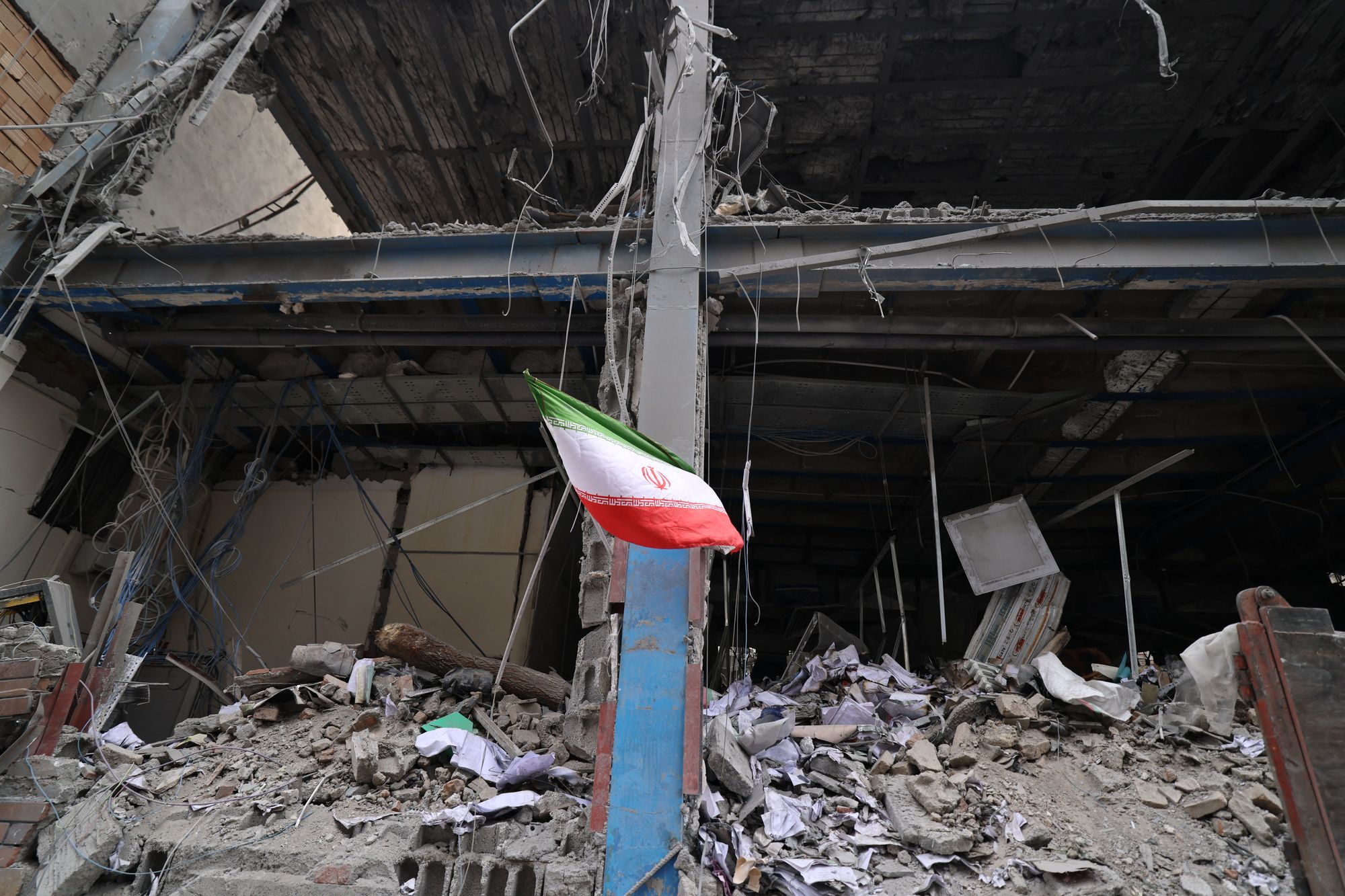
As the war enters a third week, at least 2,000 people have been killed with no end in sight despite widespread damage to Iran’s military installations and naval capability.
Though Donald Trump and Benjamin Netanyahu have vowed to pound Iran with missiles until regime change is achieved, a "multitude" of intelligence reports provide "consistent analysis that the regime is not in danger" of collapse, a source close to US intelligence told The Washington Post. Rather, they said it "retains control of the Iranian public”.
They noted that the situation on the ground is fluid and that the dynamics inside Iran could change.
 open image in gallery
Last week, a Connecticut senator who attended a two-hour briefing on the White House's current aims for the conflict said the administration is not seeking to destroy Iran's nuclear weapons programme, nor force regime change in the country.
Chris Murphy said that while he was unable to share classified information, the private briefings indicate that Trump is unable to "defend this war in public".
"The war goals DO NOT involve destroying Iran's nuclear weapons program," Murphy wrote in a thread on X, adding that this was surprising "since Trump says over and over this is a key goal".
"But then of course we already know air strikes can't wipe out their nuclear material."
He said that in the briefing, the administration "confirmed" that "regime change is also NOT on the list".
 open image in gallery
According to Trita Parsi, co‑founder of foreign policy think tank the Quincy Institute for Responsible Statecraft, the White House is effectively pursuing “regime implosion,” propelled by what he described as the president’s “wishful thinking” that sustained military pressure will somehow create a power vacuum that the Iranian public will obligingly fill.
Parsi noted that the mission aligns neatly with Israel’s long‑standing desire to take Iran “off the geopolitical chessboard,” but said the Trump administration has struggled to articulate any legitimate rationale for such an undertaking.
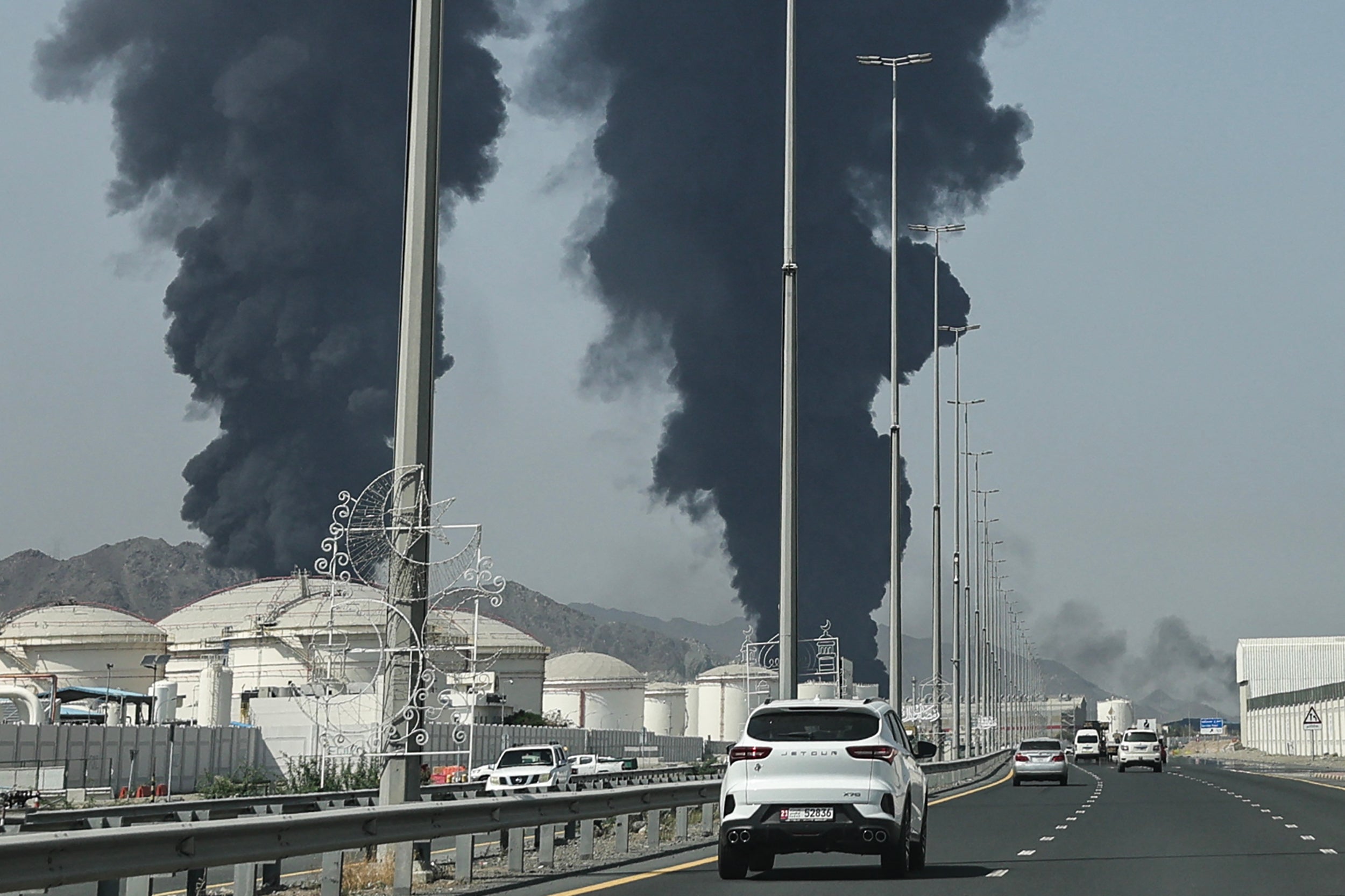
The attacks on Iran have dragged the Gulf into the firing line, as attacks forced the temporary closure of airspace and a drone hit an oil facility in Fujairah, a key port for Emirati oil exports, for a second consecutive day.
“They started this war for Israel and then left us to face the attacks by ourselves,” said a senior Arab official from the Gulf told The Telegraph.
 open image in gallery
Trump said Iran’s strikes against its neighbours, including Qatar, Saudi Arabia, the United Arab Emirates, Bahrain and Kuwait were a surprise.
He said on Monday: “Nobody expected that. We were shocked. … They fought back.’’
However, Trump was warned that attacking Iran could trigger strikes against US Gulf allies, according to a US official and two sources familiar with US intelligence reports.