




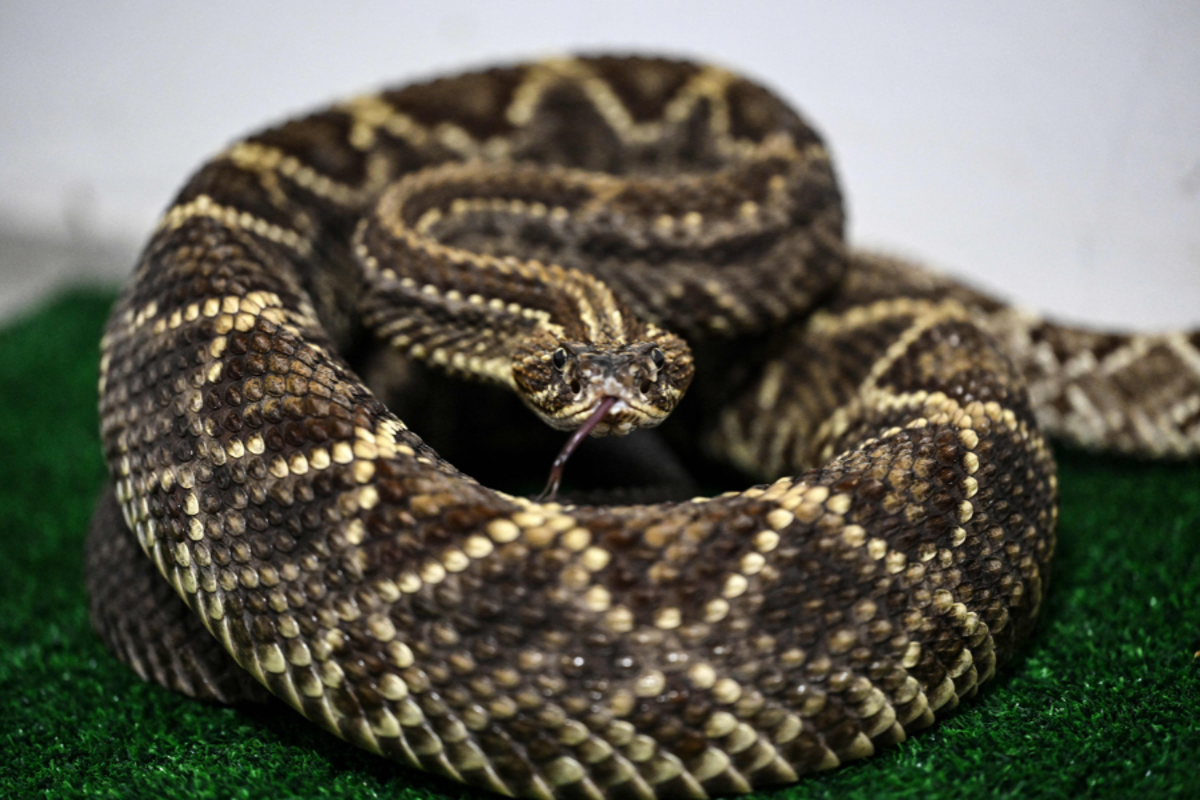
Mystery spike of snake attacks in California has already killed three as researchers scramble to find cause
A Northern California woman has died after being bitten multiple times by a venomous snake, marking the third snakebite death in California this year amid an unusual rise in fatalities statewide.
The 78-year-old woman, who lived in Redwood Valley, was walking on a rural property on April 8 when she was bitten three times, Quincy Cromer, a spokesperson for the Mendocino County Sheriff’s Office, told SFGate. Family members transported her to a hospital, but she later died from her injuries. An autopsy on April 15 determined the cause of death was envenomation from the bites, and officials ruled the incident accidental. The snake species involved has not been identified.
Her death marks the third snakebite-related fatality in California in 2026, which is well above the state’s typical average of no more than one a year, SFGate reports. A 25-year-old mountain biker died in Orange County in February, followed by a 46-year-old hiker in Ventura County in March, both after rattlesnake bites.
The California Poison Control System has already recorded about 70 rattlesnake bites in the first three months of the year, compared to a typical annual total of 300 to 350 cases, Rais Vohra, medical director of the system’s Fresno-Madera Division, told SFGate.
“More research and information will help us figure out if this trend is a real uptick in the number of bites from rattlesnakes in California, and why that is happening,” Vohra told the outlet.
 open image in gallery
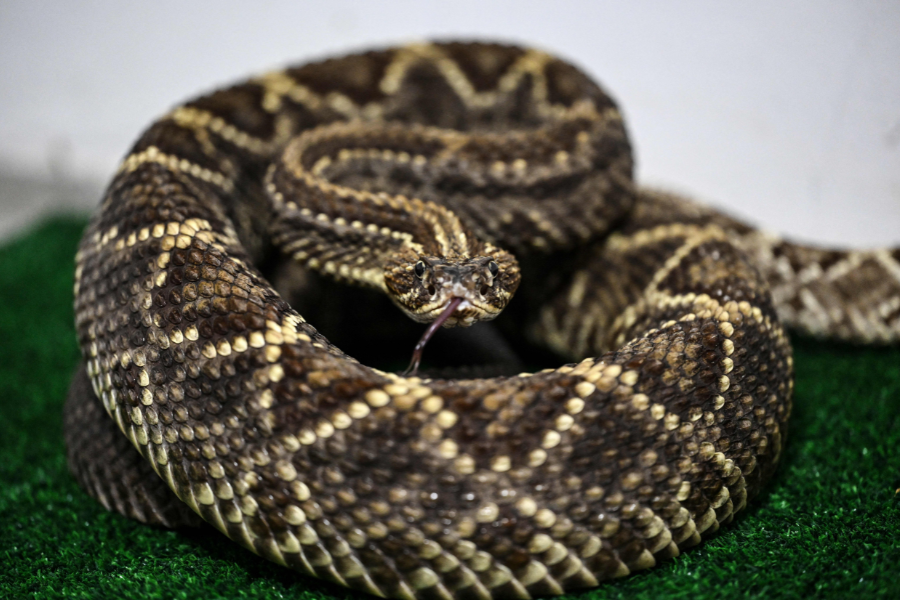
Experts say the spike in snake encounters might be driven by unseasonably warm weather in the region, including an early March heatwave, which pushed rattlesnakes out of hibernation earlier than normal as they searched for food and mates. At the same time, warmer temperatures encouraged more people to spend time outdoors, increasing the likelihood of accidental encounters.
“We had good rains early in the winter followed by unusually warm weather,” Greg Pauly, curator of herpetology at the Natural History Museum of Los Angeles County, told the Los Angeles Timesearlier this month. “With good plant growth, rodent populations are doing well, so the snakes have good food sources and warm temperatures that are triggering more surface activity.”
Rattlesnakes are most active in warm temperatures, typically in the high 70s to low 80s. With cooler nighttime conditions recently, their activity has shifted mainly to daytime hours, Pauly said.
Later in the season, in lower-elevation areas, midday temperatures can become too hot for snakes to be active, causing them to adjust their behavior and become more active in the morning, evening and even at night to avoid extreme heat, he explained.
“We want to stress prevention and safety when people are enjoying the outdoors on hikes and exploring the wilderness and rural areas,” Vohra sid. “Wear protective shoes and long pants, stay on well-marked trails, carry a phone and water with you, and do not touch or approach wild animals, including snakes, when you see them.”
 open image in gallery
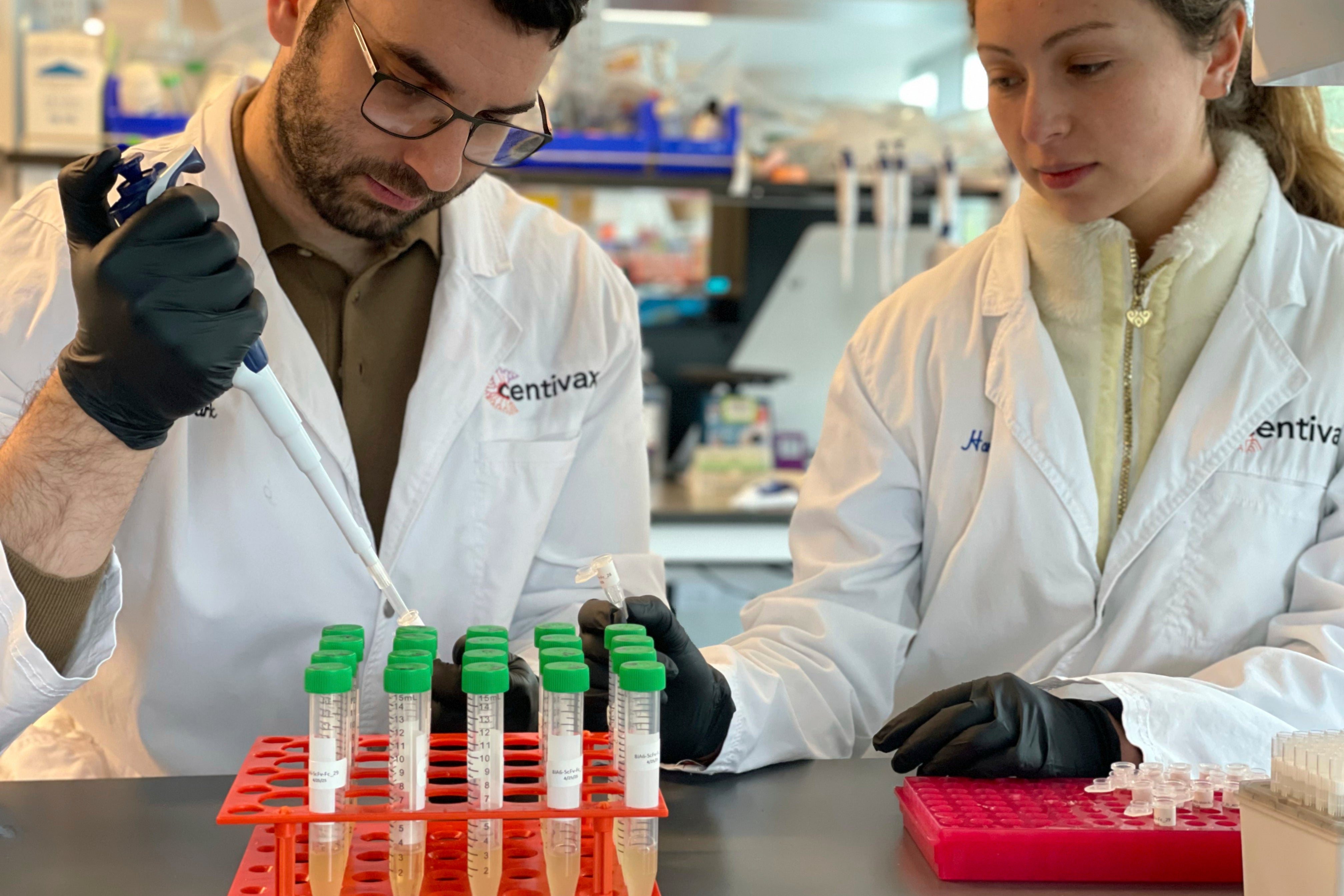
Experts emphasize that anyone bitten by a snake should seek immediate medical care, as venom can quickly lead to serious, potentially life-threatening complications. Dr. William Woo of Kaiser Permanente told KTLA last month that rattlesnake venom places intense stress on the body and can lead to organ failure and other severe health issues. Antivenom is the most effective treatment, he said, and outcomes improve significantly the sooner it is administered.
Woo cautioned that people bitten by a rattlesnake should avoid outdated or unsafe first-aid methods, such as trying to suck out the venom or using a tourniquet, as they can actually make the injury worse.
“Try to stay calm, keep the heart rate nice and slow, and keep the area of the bite in a neutral, relaxed position is the best thing you can do,” he offered instead. “Do not delay that hospital care. That is of the utmost importance.”
The Independent has contacted the CPCS for comment.